
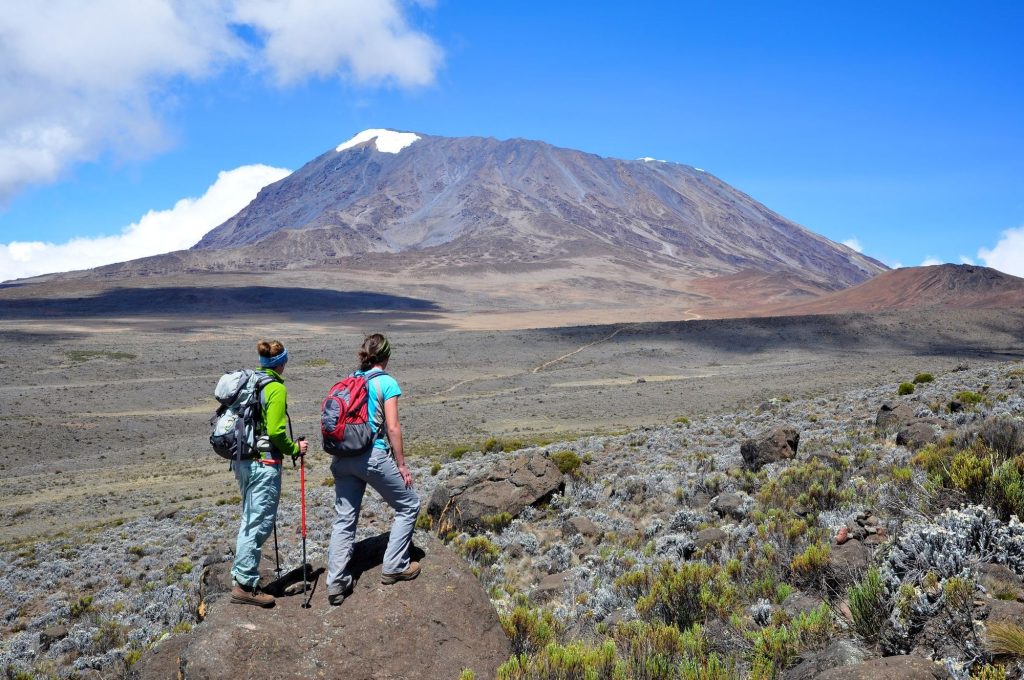
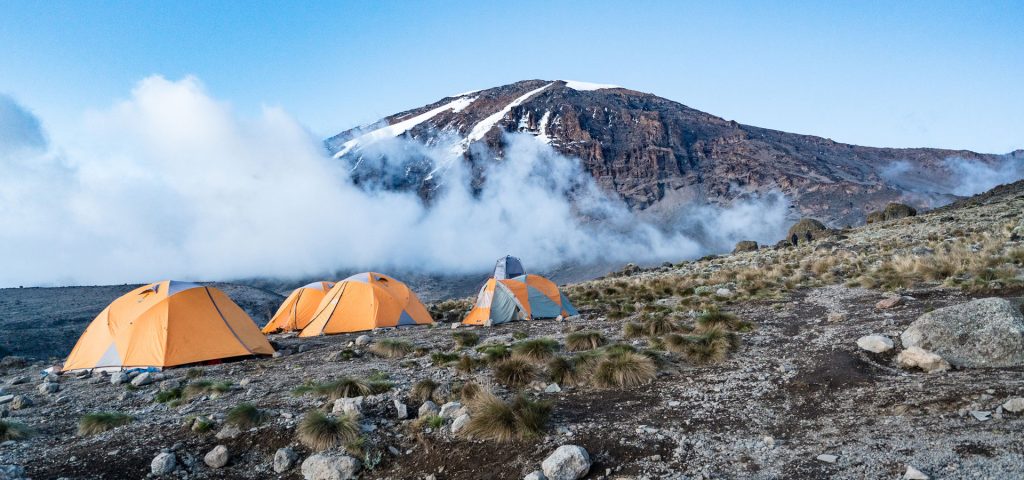
Best Time to Climb Mount Kilimanjaro
Climbing Mount Kilimanjaro is a once-in-a-lifetime experience. Whether you’re seeking adventure, chasing personal goals, or simply answering the call of Africa’s highest peak, the timing of your trek matters more than you might think. Choosing the best time to climb Kilimanjaro can make the difference between a memorable, smooth summit and a muddy, frustrating slog. So, when should you go?
Let’s explore everything you need to know to pick the perfect season to climb Mount Kilimanjaro.
Understanding Kilimanjaro’s Climate
Kilimanjaro’s Unique Altitude Zones
Mount Kilimanjaro rises from the plains of Tanzania to nearly 6,000 meters (19,341 feet) above sea level. Because of this, it features five different climate zones—from cultivated farmland to arctic summit. That means your journey through the mountain is like trekking across an entire continent!
Each zone has its own microclimate, and weather can change drastically within a few hours of hiking. Planning your climb in the right season helps you avoid the worst of the wet and cold.
Impact of Weather on Trekking Experience
Imagine pushing through dense fog, slippery trails, and cold rain day after day. Sounds rough, right? That’s why understanding seasonal patterns is key. Good weather equals clear skies, better views, drier trails, and a higher chance of reaching the summit.
Kilimanjaro’s Weather by Month
January – March (Cool & Clear)
These months are generally cooler, with occasional snow at the summit. Visibility is excellent, especially for photographers. While it’s a bit less crowded than the main tourist season, it still sees a good number of climbers. A great choice for those who don’t mind chilly mornings.
April – May (Long Rain Season)
This is the wettest time of year. Heavy rains make trails muddy and difficult, and cloud cover blocks many of the views. Not the best for most trekkers—unless you enjoy solitude and don’t mind getting soaked.
June – October (Dry & Busy)
Hands down the best time to climb Kilimanjaro. Trails are dry, weather is more stable, and summit conditions are favorable. July and August are especially popular, so expect company. Perfect for first-time trekkers aiming for success and comfort.
November (Short Rains)
A shoulder season with lighter rains, this month is a gamble. Trails may still be slick, and views hit-or-miss, but fewer crowds and lower costs appeal to the adventurous types.
December (Transition Month)
Unpredictable, but not unmanageable. Early December can be wet, but late December often offers good climbing conditions. Many trekkers time their climb to summit on New Year’s Day—talk about starting the year on a high note!
Best Months to Climb Kilimanjaro
Why June to October is Ideal
You get the best of everything: mild temperatures, minimal rainfall, and amazing views. The only downside? It’s also the most popular time, so expect more fellow climbers on the trail and at camps.
Benefits of January to Early March
These months offer cooler, drier weather with fewer crowds than the high season. Snow at the summit adds a magical feel. If you want great conditions without the rush, this is your window.
Hidden Perks of Shoulder Seasons (November & December)
Looking to save money, avoid crowds, or experience the raw, wild side of Kilimanjaro? These months offer that. Just be ready for mixed weather and slick conditions.
Worst Time to Climb Kilimanjaro
Challenges of the Rainy Seasons
April and May are the worst months. You’ll deal with heavy downpours, poor trail conditions, and limited visibility. It’s also colder and riskier, especially for beginners.
Slippery Trails & Limited Views
Beyond just comfort, safety is a concern during the rainy seasons. Slippery rocks, hypothermia risks, and fewer summit successes are common.
Crowds and High Season vs Low Season
When Are the Trails Busiest?
Expect the most traffic from July through September and again in late December. Camps can be full, and popular routes like Machame and Marangu are packed.
Best Time to Avoid the Crowds
Want peace and solitude? Aim for March, early June, or November. Just remember that solitude sometimes comes with tougher weather.
Factors That Influence the Best Time to Climb
Personal Fitness and Preparation
If you’re in top shape and confident in your ability to deal with adverse conditions, you can take more risks with timing. But if you’re a beginner or training hard just to attempt the summit, go when conditions are most favorable.
Photography and Scenic Views
Clear skies matter! Dry seasons offer the best photographic opportunities, especially around sunrise and sunset.
Wildlife and Nature Encounters
The lower slopes are rich with life. Birdwatchers and nature lovers might enjoy shoulder seasons when flora is in bloom and animal activity spikes.
Cost and Budget Considerations
Peak season = peak prices. Off-season climbs can be cheaper, and some operators offer discounts during rainy months.
Choosing the Right Route by Season
Machame Route
Ideal during the dry seasons. It’s scenic and popular, with great views but lots of company.
Lemosho Route
Beautiful, remote, and a bit longer—perfect if you want great acclimatization and fewer crowds. Best in dry or cooler months.
Marangu Route
The only route with huts. It’s good during rainy season since it provides shelter, but can get slippery.
Rongai Route (Great for Wet Season)
Starts on the northern, drier side of Kilimanjaro. Rongai is the best choice during the rainy months like April and November.
Altitude and Acclimatization Tips
AMS (Acute Mountain Sickness) and Weather Links
Weather affects your pace. Colder, wetter conditions can slow you down, which increases your risk for AMS. Take time to adjust!
Best Practices for Successful Summit
Climb slowly, stay hydrated, eat well, and take acclimatization seriously. Choose a route with an extra day if you’re climbing in tougher months.
Gear and Packing Tips Based on Season
Dry Season Essentials
Lightweight layers
Sun protection
Hydration gear
Warm summit gear (temperatures can drop below freezing at night)
Wet Season Must-Haves
Waterproof boots and gaiters
Rain jacket and pants
Quick-dry clothing
Extra socks and liners
Waterproof backpack cover
Why Book Us African Tours
Tanzania Africa Safaris was established from pure love of nature, the never-ending need to travel and expedite discoveries of the very best beauty of Tanzania and East Africa in particular. We are prepared to explore the wanderlust in you as you dream it when we escape to the wilderness.
24/7 SUPPORT
We're here round-the-clock to address any safari and tour inquiries or worries through online chat, phone, or email.
Tailor-Made
We are specialists in personalised, tailor-made travel and your holiday will be custom-designed to suit your requirements.
100% FINANCIAL PROTECTION
Rest assured knowing that your money is safeguarded in a trust, providing you with peace
YOUR TRAVEL PARTNERS
With extensive experience traversing the diverse routes of Africa, we specialize in curating finest travel options tailored..
